Webb Space Telescope Overview
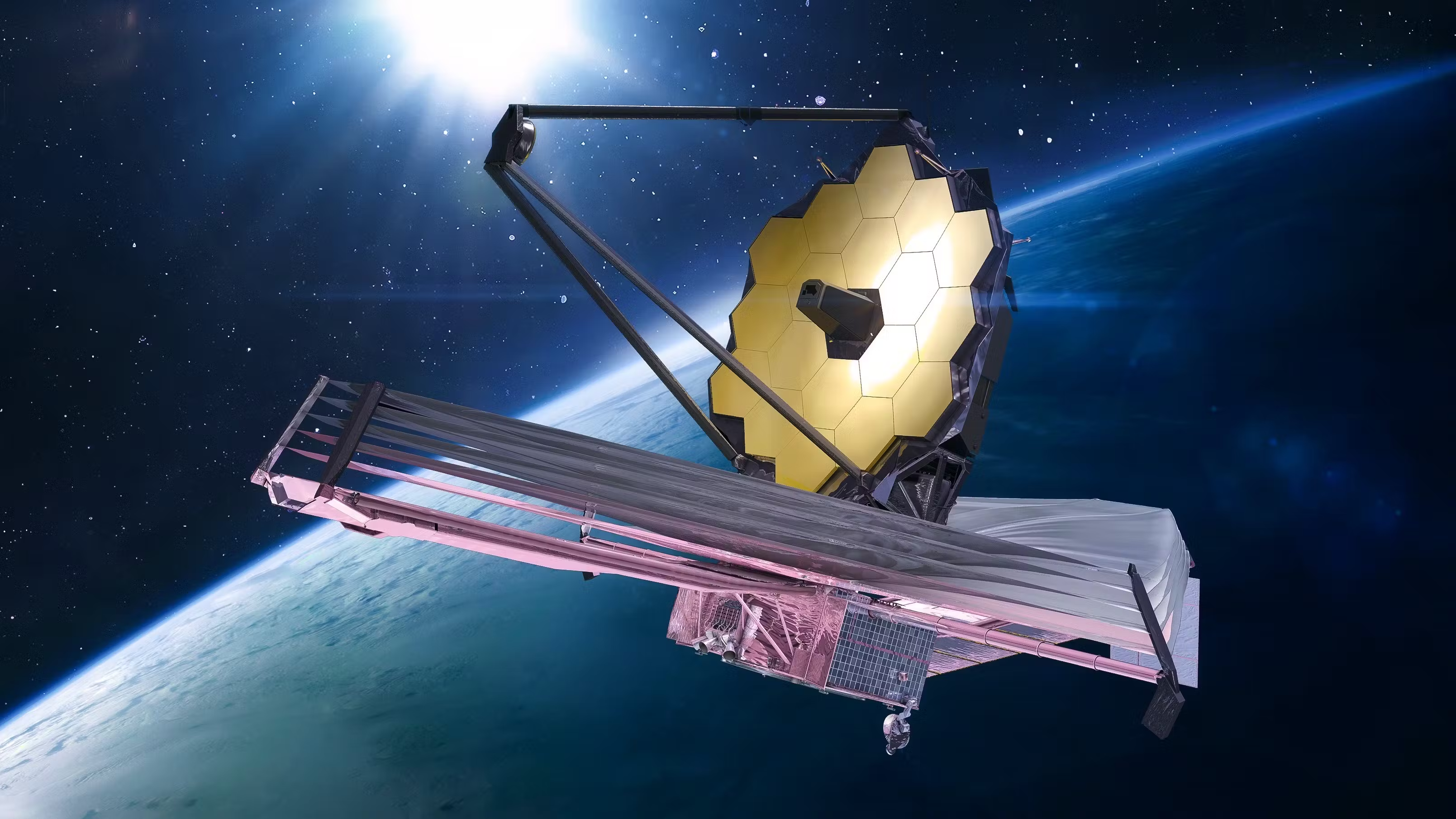
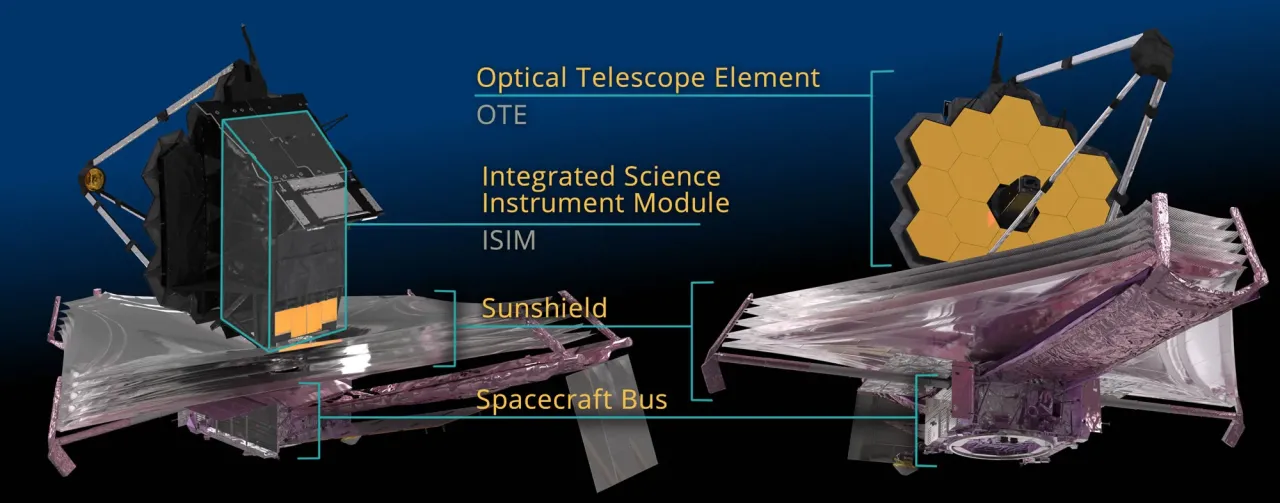
The James Webb Space Telescope (JWST) is not just an ordinary space telescope; it is a groundbreaking observatory that marks a new era in space exploration. Designed to answer some of the most profound questions about the universe, it is the largest, most powerful, and most complex telescope ever launched into space. Its mirror spans over 21 feet, allowing it to collect more light than any previous space telescope, including Hubble, and its sophisticated instruments are designed to operate at incredibly low temperatures. This unique combination allows the Webb to peer deep into space, capturing images and data from galaxies that formed just a few hundred million years after the Big Bang.